Trump Investigates Meatpackers in the U.S.: A Necessary Action Against Price Manipulation
Have you ever wondered why beef prices at the supermarket keep climbing, even when cattle prices are dropping? This puzzling contradiction is finally getting the attention it deserves.
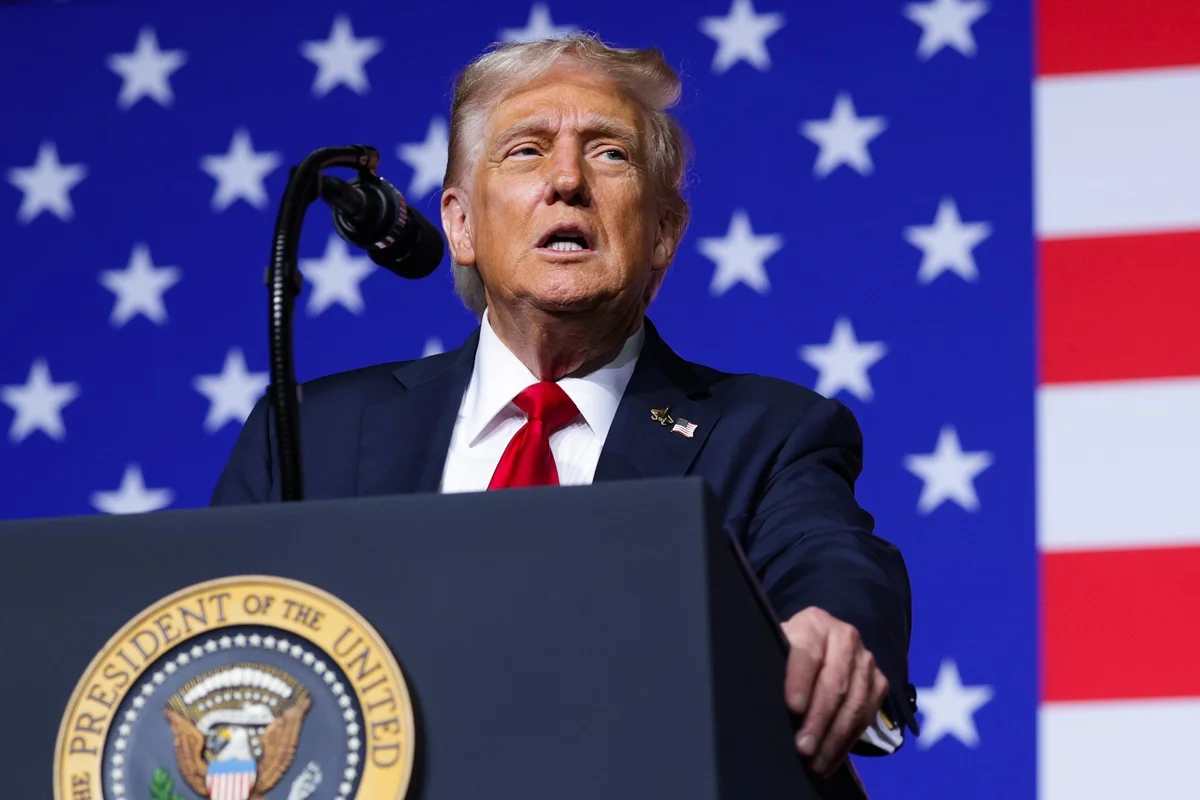
In a decision that could reshape the U.S. meat industry, President Donald Trump has ordered the Department of Justice to launch a full investigation into the country’s largest meat processing companies. The suspicion? Price manipulation and cartel formation.
Why This Investigation Was Needed
Trump’s decision didn’t come out of nowhere. It reflects a legitimate concern about practices that hurt both American consumers and rural producers.
The president announced the move through his social media platform, Truth Social, making it clear that the investigation aims to protect the people who matter most: families buying meat and ranchers working hard in the field.
The Silent Monopoly
Here’s an alarming fact: just four companies control a staggering 85% of the beef processing market in the United States. To put this in perspective, back in 1980, these same companies held only 36% of the market.
We’re talking about unprecedented power concentration, including giants like JBS (Brazilian), Cargill, Tyson Foods, and National Beef. With so little competition, it’s easy to see how prices can be manipulated.
The Troubling History of the Investigated Meatpackers
Now, let’s talk about something that makes this investigation even more justified: the troubled past of these companies, especially JBS.
The Corruption Scandals in Brazil
JBS, the world’s largest meat processor, is no stranger to scandal. In Brazil, the company and its controlling shareholders were at the center of devastating investigations.
During Operation Weak Flesh, a scheme was uncovered involving bribes to inspectors, sales of adulterated meat, and practices that put public health at risk. Additionally, JBS executives admitted to paying bribes to more than 1,800 Brazilian politicians.
Companies with this kind of track record deserve extra scrutiny when operating in foreign markets. After all, if there was corruption in one country, who can guarantee that questionable practices haven’t continued elsewhere?
The Math That Doesn’t Add Up
Trump highlighted something that anyone with basic economic knowledge would notice: there’s something very wrong when live cattle prices fall, but packaged beef on store shelves keeps rising.
This discrepancy doesn’t make sense in a competitive, healthy market. Under normal conditions, when raw materials get cheaper, the final product should reflect that reduction.
Who’s Profiting From This?
Definitely not consumers, who pay more and more. Not ranchers either, who receive less for their cattle. So who’s pocketing the difference? The processors, of course.
As a result of this situation, American families have their budgets squeezed, while rural producers struggle to keep their operations profitable.
The Economic Context Makes It Worse
To make matters even more complicated, the United States is facing a livestock crisis not seen in decades.
A prolonged drought dramatically reduced herds, and animal feed costs skyrocketed. The result? Cattle inventory is at its lowest level in nearly 75 years.
Foreign Dependence and Health Risks
On top of that, the country was forced to suspend most cattle imports from Mexico due to the risk of spreading New World screwworm, a devastating plague for livestock.
This combination of factors created the perfect scenario for companies with market power to abuse their dominant position.
The Attorney General Takes Action
Fortunately, the investigation has moved beyond talk. Attorney General Pamela Bondi confirmed that the Department of Justice is investigating possible violations of antitrust laws.
This is excellent news for anyone who believes in fair, competitive markets. Antitrust laws exist precisely to prevent large corporations from abusing their power and harming consumers.
Why Tariffs Make Sense in This Context
Trump also defended his tariffs on imported cattle, including a 50% tax on Brazilian products. Some criticize these measures, but they have clear logic.
Without these protections, American ranchers would be completely vulnerable to international competition, often subsidized by foreign governments. It’s a matter of food sovereignty and protecting the country’s rural workers.
Balancing Protection and Competition
On the other hand, the president also recognized that American consumers need fair prices. That’s why the investigation into processors complements the tariffs: it protects producers without allowing middlemen to game the system.
What to Expect From This Investigation
If the investigation confirms anticompetitive practices, the consequences could be significant for the companies involved.
We’re talking about heavy fines, forced structural changes in the market, and potentially even criminal prosecutions against responsible executives. Trump was clear: “If there’s a crime, those responsible will pay a high price.”
Benefits For Everyone
At the end of the day, a successful investigation would benefit the entire supply chain:
- Consumers would pay fairer prices for beef
- Ranchers would receive more appropriate values for their cattle
- The market would become more competitive and transparent
- Honest companies would have more room to grow
A Matter of Economic Justice
At the end of the day, this investigation is about doing what’s right. It’s not about persecuting foreign companies simply because they’re foreign.
It’s about ensuring the American market works fairly, competitively, and transparently. It’s about protecting consumers from being exploited and producers from being squeezed by corporate giants.
Considering the corruption history of some of these companies in their home countries, it’s not just justifiable but necessary that they be thoroughly investigated.
Conclusion: A Win For Free Markets
Trump’s decision to investigate meat processors represents an important step in defending truly competitive capitalism.
Free markets only work when there’s genuine competition, not when cartels control prices and hurt consumers. The investigation is therefore pro-market and pro-consumer.
At the same time, it sends a clear message: companies with a history of corruption in other countries won’t get a free pass to operate in the United States without rigorous oversight.
Now we just have to follow the developments of this investigation and hope that the truth comes out, protecting both American families and the rural workers who sustain the country.
What do you think about this investigation? Share your thoughts in the comments!
https://maketruthtriumphagain.com.br/en/lula-entre-o-rio-de-janeiro-e-a-cop30/