
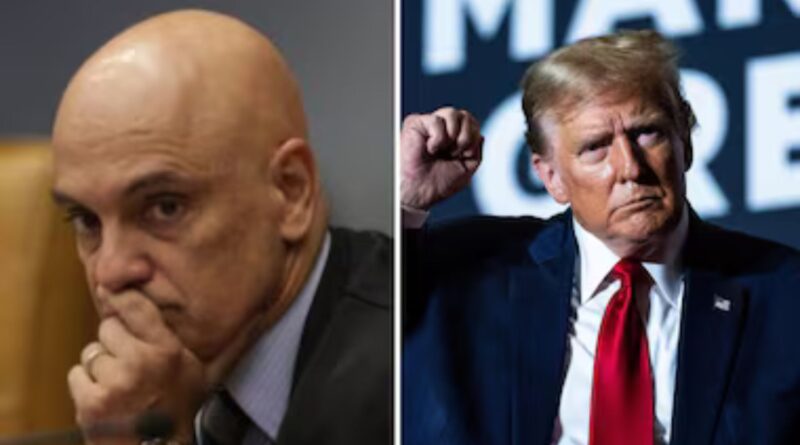
Moraes in the Crosshairs? The GRANITE Act and Freedom Protection in the U.S.
Context of the Proposal
The GRANITE Act, first introduced in Wyoming and now under discussion with potential to become federal law in the United States, seeks to ensure that American citizens and companies can sue foreign governments attempting to impose censorship on content published in the U.S. The central goal is to eliminate the so-called “sovereign immunity” that usually protects foreign states in U.S. courts.
Main Points of the Initiative
- Heavy damages: minimum compensation of $10 million, with the possibility of tripling the amount.
- Cost-benefit deterrent: turning international censorship into a financially risky endeavor for those who attempt it.
- Institutional protection: safeguarding freedom of expression guaranteed by the U.S. Constitution against external interference.
The Alexandre de Moraes Case
The proposal gains relevance in light of actions taken by Brazilian Supreme Court Justice Alexandre de Moraes, who ordered the blocking or suspension of accounts on social media and platforms based in the United States, such as Rumble and other big tech companies. His justification was combating disinformation, hate speech, and false content. However, for many in the U.S., these decisions represent an attempt to export Brazilian censorship norms to American soil, clashing with the First Amendment of the U.S. Constitution.
Potential Impacts
- Diplomacy: could generate friction between Brazil and the U.S. if Brazilian authorities become targets of lawsuits.
- Freedom of expression: reinforces constitutional protection in the U.S. against foreign regulation.
- Legal precedent: opens the door for other countries to face barriers when attempting to impose censorship abroad.
- Political reaction: raises debate on the reach of Brazilian judicial decisions and their international effects.
Critical Conclusion
The GRANITE Act emerges as an institutional response by the U.S. to attempts at imposing censorship beyond national borders. By addressing cases like those of Alexandre de Moraes, the proposal strengthens American sovereignty over freedom of expression and creates a financial deterrent against foreign governments. The result is a new chapter in the dispute between national jurisdiction and global freedom, with direct implications for Brazil and the future of international relations.
CTA: Want to follow how U.S. legal initiatives may impact Brazilian decisions? Discover other articles by Pedro Freitas and keep your critical lens sharp on politics and freedom.
Sources:
- Gazeta do Povo – reporting by Joyce Brito
- Reuters – international coverage on freedom of expression
- DW – analysis on legislation and censorship
https://maketruthtriumphagain.com.br/carvajal-maduro-lulinha-and-gilmar-mendes-revelations/
Pingback: Moraes’ Wife and the R$129 Million Contract with Banco Master