
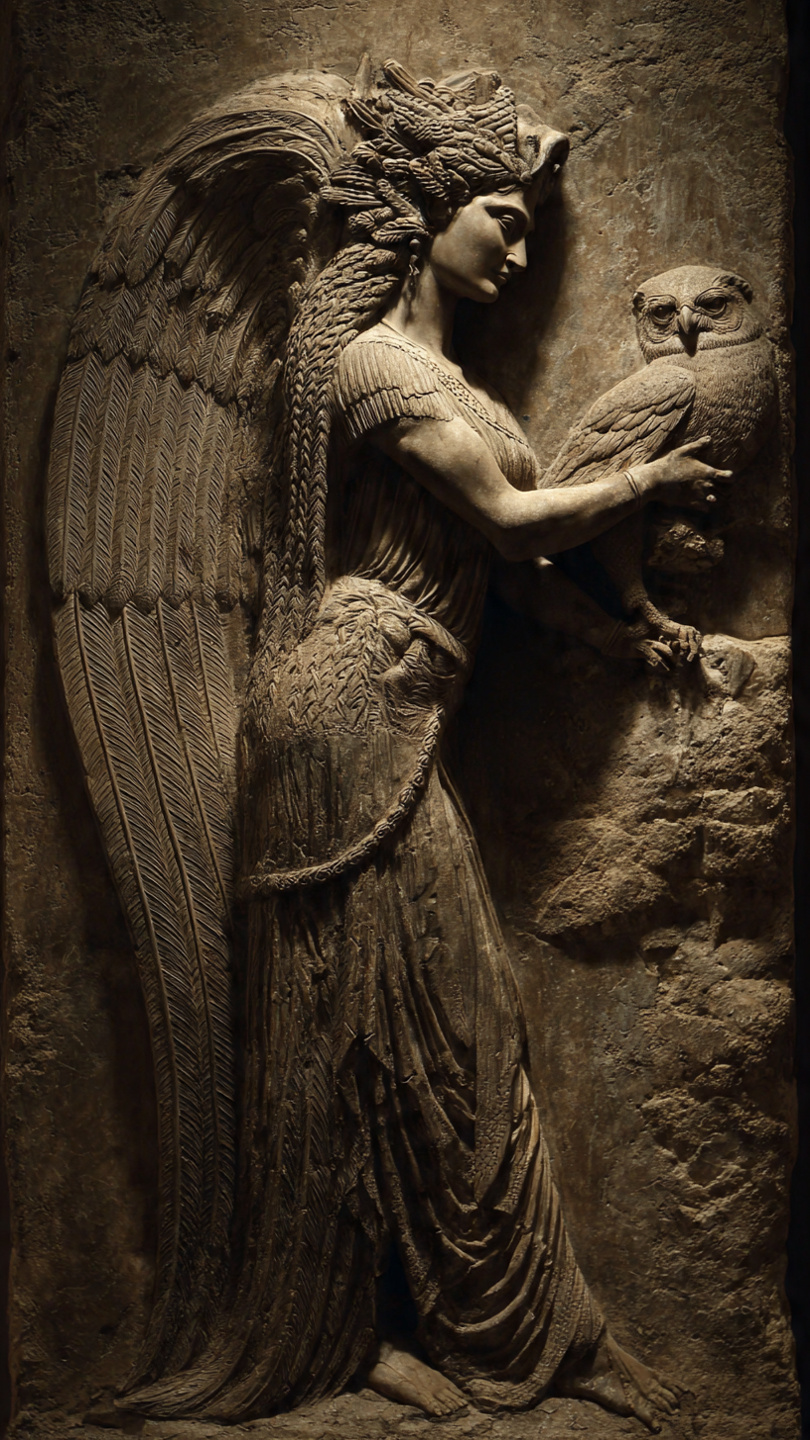
Lilith and Eve: Investigating the Creation Narrative
The Christian Bible presents Eve as the first woman, created from Adam’s rib. However, apocryphal texts such as the Alphabet of Ben Sira describe Lilith as created simultaneously with Adam, from the same dust of the earth. This difference, therefore, invites an investigation into contradictions within Christian tradition.
The Struggle for Equality
Lilith demanded equality from the very beginning. She argued that, since both were formed from the same matter, she should not submit. Adam, however, claimed authority. Consequently, the conflict became symbolic as well as physical. In contrast, Genesis 2:23 shows Adam declaring about Eve: “This is now bone of my bones and flesh of my flesh.” That statement, moreover, highlights dependence rather than equality.
Biblical Inconsistencies
Genesis 1 states that God created man and woman together. Nevertheless, Genesis 2 mentions only Adam until Eve appears from his rib. This shift suggests that an earlier female figure — possibly Lilith — was omitted or reinterpreted. In addition, scholars emphasize that Jewish traditions already described Lilith as a nocturnal spirit, which strengthens the idea of her intentional exclusion.
The Escape and Legacy
After refusing submission, Lilith spoke the Ineffable Name and fled toward the Red Sea. Subsequently, three angels attempted to bring her back, but she resisted. As a result, Lilith became associated with demons and the fallen angel Samael. Finally, Eve emerged as the second woman, created from Adam’s rib, ensuring a narrative of greater submission.
Questions for Christianity
- If Genesis 1 mentions man and woman created together, who was that first woman?
- Why does the Bible emphasize Eve as “flesh of my flesh” but never mention Lilith?
- Could Lilith have been erased to reinforce female submission in theology?
Final Reflection
The myth of Lilith raises questions about biblical construction and the role of women. Furthermore, it reveals how different traditions shaped the Christian view. While Eve symbolizes dependence, Lilith represents resistance and equality. Consequently, this duality remains relevant in today’s debates on gender and religion.
CTA: Want to explore further? Read more about apocryphal texts and discover how they reshape our understanding of creation.
👉 Moreover, take a look at other articles by Pedro Freitas to expand your knowledge on history and religion.
External Sources:
Pingback: The Lost 18 Years of Jesus: Little-Known Stories from Apocryphal