
Impeachment of Supreme Court Justices: The Truth About the Procedure That Nobody Tells – According to Tiago Pavinatto!
By Pedro Freitas
Updated on 07/10/2025
Hey, friend, have you ever wondered why so many impeachment requests against STF justices just get “shelved” in the Senate? It seems like the Senate President has the power to decide everything single-handedly, right? But according to lawyer Tiago Pavinatto, that’s a dangerous myth that weakens democracy. Let’s break it down simply, like we’re chatting over coffee. I’ll show you what the Impeachment Law (No. 1.079/1950) says, Pavinatto’s arguments, and how any citizen can join this fight. At the end, discover how our online course on constitutional law can help you understand and engage in these processes. Ready to challenge the status quo?
What Does the Impeachment Law Say About STF Justices?
The Law No. 1.079/1950, known as the Impeachment Law, is the treasure map for holding high officials accountable. For Supreme Federal Court (STF) justices, Article 39 lists crimes like negligence, dereliction of duty, or violations of constitutional duties—conduct that, if proven, can lead to removal from office and disqualification for up to five years.
Here’s a quick rundown of the most common crimes cited in requests against STF justices:
- Negligence or Dereliction: Lack of diligence in performing duties, such as unjustified delays in rulings.
- Violation of Individual Rights: Decisions that some view as infringing on constitutional freedoms.
- Conduct Incompatible with the Dignity of the Office: Actions that tarnish the judiciary’s impartiality.
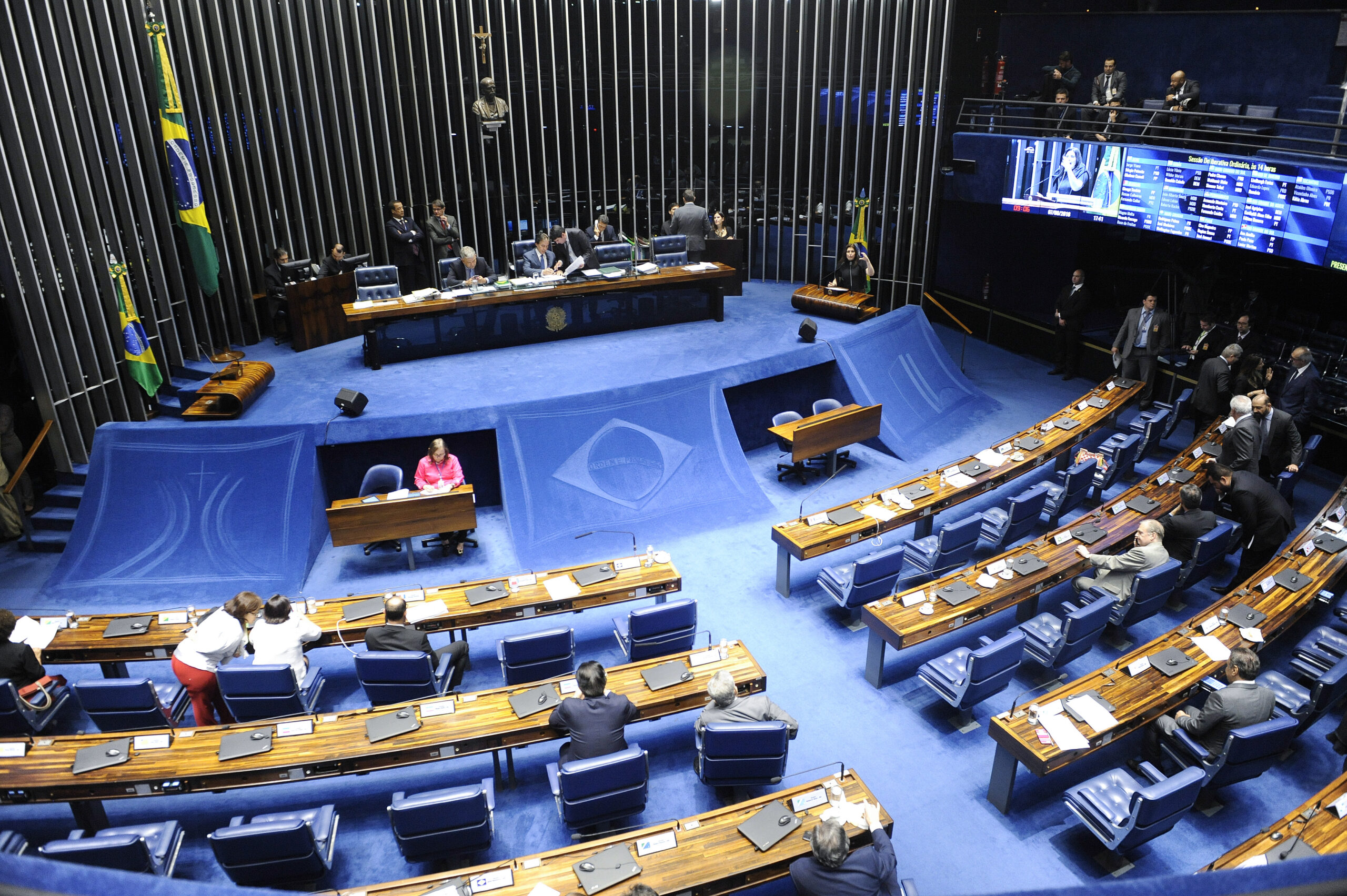
But the real catch is in the process: the Senate prosecutes and judges (Article 52 of the Constitution), and the law mandates an automatic flow. No room for selective “shelving”!
Tiago Pavinatto: The Jurist Challenging the Senate President’s “Absolute Power”
Tiago Pavinatto, a lawyer and legal activist, is a relentless voice against what he calls the “protective wall” between the Senate and the STF. In live streams, interviews, and petitions, he hammers home: the Senate President cannot simply ignore a valid request. Per Article 52 of Law 1.079/1950, upon receiving a complaint, he must read it in the Plenary and forward it for a vote—end of story.
Pavinatto argues this is a functional duty, not a political choice. “The Plenary decides, not one man alone,” he says repeatedly. This stance gained traction with the 47 requests “stalled” since 2021, many targeting Justice Alexandre de Moraes. For Pavinatto, shelving amounts to malfeasance—and he’s used this in court actions.
Real examples of his work include:
- Joint Filings: Pavinatto led requests against justices for “negligence in sensitive rulings.”
- Guidance to Lawmakers: He advised Congressman André Fernandes on impeachment arguments, focusing on precise legal frameworks.
This view isn’t isolated: jurists like Ricardo Lewandowski advocate for law reforms to clarify procedures, but Pavinatto goes further, demanding strict enforcement of existing rules.
Why Can’t the Senate President Just “Sit on” Requests?
Picture this: you gather evidence, list witnesses, and submit a flawless request. But the Senate President, like Rodrigo Pacheco, simply archives it? Pavinatto says this violates the process outlined in Law 1.079/1950. Here are the mandatory steps:
- Receipt of the Complaint: Any citizen can file, with evidence of a crime of responsibility.
- Plenary Reading: The president must read the request in session, without personal bias—this activates the collective body.
- Initial Vote: The Senate decides by simple majority (54 votes, with an absolute majority present) whether to initiate the process.
- Instruction Phase: If admitted, it proceeds with defense, evidence, and final judgment.
Without this obligation, the system becomes a “mutual protection wall,” as Pavinatto warns. Critics argue the 1950 law is outdated—update bills are pending in the Senate—but until then, Pavinatto’s thesis is a powerful tool for pressure.
In short, the power lies with the Plenary, not the Senate President. This democratizes oversight of the STF, preventing abuses.
Examples of Pavinatto in Action: From Petitions to Strategic Guidance
Pavinatto doesn’t just theorize—he’s the guy behind explosive petitions. In 2024, he filed, alongside allies, a request against a justice for “dereliction in sensitive inquiries,” citing specific articles of Law 1.079. Another case: he guided Congressman André Fernandes to build an impeachment case based on constitutional violations, using STF precedents like MS 21.564 (the Collor case).
These examples show the impact: of the 47 shelved requests, several inspired by Pavinatto push for transparency. He argues that without progress, the judiciary becomes “untouchable,” undermining the separation of powers.
Here’s why you should draw inspiration from his approach:
- Accessibility: Any Brazilian can start the process—no need to be a politician.
- Evidence Focus: Always backed by witnesses or documents, avoiding formal rejections.
- Collective Pressure: Unites jurists and citizens to amplify the voice.
How Does This Affect You and Brazilian Democracy?
Friend, understanding impeachment of STF justices isn’t just legal elite talk—it’s about balancing powers and protecting rights. Pavinatto’s thesis exposes a flaw: if the Senate President ignores the law, who watches the watchdog? With the 1950 law aging poorly, it’s time to demand the correct process to restore trust in institutions.
Staying unaware? That could cost you: STF decisions impact your daily life, from elections to freedoms. But with knowledge, you become an agent of change.
Our online course on constitutional law and impeachment is perfect for this: practical lessons, petition templates, and analysis of real cases like Pavinatto’s. It’s an accessible solution for those who want more than complaints—they want action.
Sources:
Official and parliamentary sources on the impeachment process in the context of the Brazilian judiciary.
https://maketruthtriumphagain.com/en/2022-brazilian-election-null-lawyer-highlights-tse-irregularities-and-traditional-media-ignores/