Trump Warns Coca-Cola After Sponsorship of Event With Alexandre de Moraes
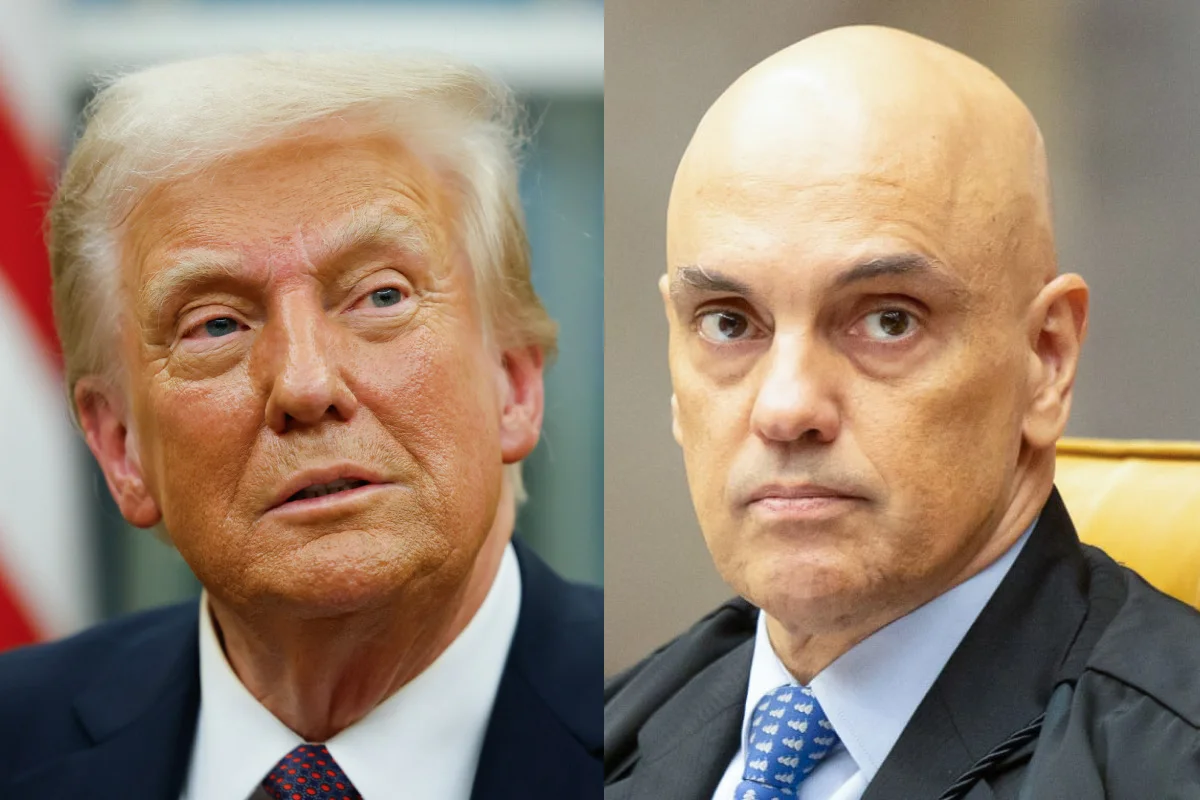
The sponsorship by Coca-Cola of the XXVI National Congress of the Public Prosecutor’s Office, held in Brasília between November 11 and 14, sparked international repercussions. The event featured Brazilian Supreme Court Justice Alexandre de Moraes as a keynote speaker. The participation of the multinational company raised concerns within the U.S. government because Moraes had already been sanctioned under the Magnitsky Act in July this year.
The Trump Administration’s Warning
According to reporting by Paulo Cappelli, a senior official from the U.S. State Department personally called a Coca-Cola executive in the United States. In a warning tone, the official criticized the sponsorship and reminded that American companies cannot provide visibility to individuals sanctioned under the Magnitsky Act. Moreover, the case gained attention because Coca-Cola is a multinational headquartered in the U.S.
Other Sponsorships Under Scrutiny
In addition to Coca-Cola, the event received support from PicPay, Banco do Brasil, Caixa Econômica Federal, and Febraban. White House officials argue that companies offering financial support to sanctioned individuals may face secondary sanctions. Consequently, the episode raised alarms for businesses with international operations.
Magnitsky Act Enforcement
The State Department intends to tighten enforcement of the Magnitsky Act in Brazil. In practice, this could increase the impact on Alexandre de Moraes and his wife, lawyer Viviane Barci de Moraes, who is also sanctioned. The couple could lose access to services provided by major corporations, including financial institutions and big techs. Therefore, companies that fail to comply may themselves become targets of secondary sanctions.
Coca-Cola’s Response
In a statement to Metrópoles, Coca-Cola Brasil explained that it has been an institutional partner of Conamp for several years. The company emphasized that its sponsorship aimed to foster dialogue on public interest issues. Coca-Cola clarified that it does not participate in defining the program or selecting speakers and was not informed in advance about Moraes’ presence at the event.
Final Reflection
This episode illustrates how international sanctions can affect not only individuals but also multinational corporations. Furthermore, it highlights the growing pressure from the U.S. for companies to fully comply with the Magnitsky Act. Thus, the Coca-Cola case becomes an example of how politics, economics, and diplomacy intersect around Alexandre de Moraes.
CTA: Want to explore more about international politics and its impact on Brazil? Discover other articles by Pedro Freitas and expand your critical perspective.
Source: Metrópoles – Paulo Cappelli
https://maketruthtriumphagain.com.br/en/eduardo-bolsonaro-and-the-magnitsky-act-whats-at-stake/