Hidden Secrets of King Solomon: Legends, Demons and Mysterious Powers
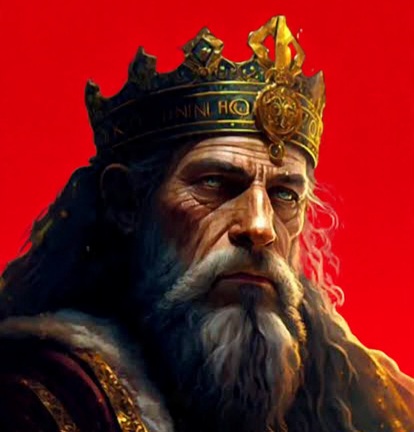
King Solomon is renowned in the Bible for his wisdom. But in many esoteric circles, there are far more intriguing tales — stories of demons, grimoires, and a secret supernatural authority.
Solomon’s Supposed Demon Mastery
In apocryphal and magical texts, Solomon is depicted as controlling powerful spirits. One of the most famous sources is the Lemegeton, also known as the Lesser Key of Solomon, which includes the Ars Goetia — a grimoire listing 72 demons that Solomon allegedly invoked and commanded.
According to these traditions, Solomon used a magical ring — commonly called the Seal of Solomon — to dominate these entities.
Who Were These Demons?
- The Ars Goetia describes each demon with its own sigil (symbol), rank (kings, dukes, princes) and magical abilities.
- For example, **Bael**, depicted in these texts, is a king among demons and allegedly grants invisibility.
- Another demon, **Vine**, is said to have powers over time, prophecy, and even storms.
The Shamir and the Temple’s Construction
A fascinating legend involves the Shamir: a mythical creature, like a worm, that could cleave stones without iron — iron being forbidden in the construction of Solomon’s Temple.
In the Talmud, there’s a tale where Solomon captures a male and a female demon, torments them, and forces them to reveal where to find the Shamir. Eventually, he locates **Ashmedai**, the “king” of demons, and compels him to hand over this magical creature.
Origins of Solomonic Grimoires
The magical texts attributed to Solomon, like the “Key of Solomon,” were likely not written by him. They are pseudepigraphal — texts falsely attributed to an authoritative figure to lend them credibility.
The body of work known as the Lemegeton (or Solomon’s Keys) likely solidified in the 17th century and encompasses five books, including the Ars Goetia that details the 72 demons.
Supernatural Purposes Behind Solomon’s Power
Why would Solomon command demons? According to these mystical stories, he used them for both practical and supernatural goals:
- Building the Temple: The demons allegedly helped construct the Temple without the use of forbidden tools.
- Hidden Knowledge and Wealth: Some narratives suggest that Solomon forced entities to reveal hidden lore, magical arts, and even vast riches.
Between Myth, Faith and Esotericism
It’s essential to understand that these are legends and apocryphal texts. They don’t belong to the traditional biblical canon and are often embraced in occult or mystical contexts.
The Bible emphasizes Solomon’s wisdom, but not magical rituals or demonic control of this nature.
Why These Stories Captivate Us
There’s something deeply compelling about a wise king who not only voices justice and faith but also commands supernatural forces. Such narratives of power, magic, and mystery continue to ignite the imagination of occultists, authors, and curious minds alike.
Final Thoughts
The lesser-known tales of Solomon — involving demons, magical rings, and the Shamir — reveal a mystical and mythic dimension that complements his more familiar biblical identity. Even if purely legendary, they challenge us to ponder the boundary between faith, power, and the unknown.
Interested in digging deeper? I can recommend reliable books or academic articles on the Lemegeton, Talmudic tradition, and Solomonic magic.
https://maketruthtriumphagain.com.br/en/the-true-mission-of-jesus-the-church-buried-for-2000-years/
Pingback: Sophia and Yaldabaoth: The Gnostic Story of the World's