The COP30: When Even Allies Don’t Trust Lula
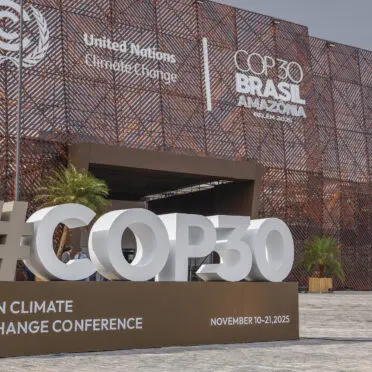
Imagine spending millions of taxpayer money to organize an international climate conference, build luxury roads, and preach your “global leadership” on environment. However, when it’s time to put money on the table, even your supposed allies turn their backs.
Unfortunately, this isn’t a hypothetical story. On the contrary, it’s exactly what happened with Lula’s government at COP30 in Belém. Consequently, the failure to attract investments for the Tropical Forest Fund exposes an inconvenient truth: the world doesn’t trust Brazil’s environmental management under Lula.
The Fund Nobody Wanted to Finance
First of all, let’s understand what was at stake. Brazil proposed the Tropical Forest Forever Fund (TFFF), an initiative that would theoretically attract sovereign and private investments for forest preservation.
Moreover, this was the Lula government’s big bet to demonstrate global “climate leadership.” However, the result was devastating: virtually no country put money into the fund. Therefore, the question that won’t go away is: why?
The Answer Lies in Credibility
Actually, the answer is simple and brutal: countries don’t trust that Brazil will use the money properly. Similarly, they don’t believe Lula has the capacity to deliver concrete results in environmental preservation.
Consequently, even with all the beautiful rhetoric about “saving the Amazon,” when it came time to invest billions, developed countries simply said “no, thank you.”
China: The Ally That Said No
First, let’s talk about China, considered by many as one of Brazil’s main “partners” on the international scene. Surprisingly, Beijing decided not to contribute resources to the Brazilian forest fund.
Moreover, this refusal is particularly embarrassing for Lula, who has cultivated a close relationship with the Chinese government. After all, if even China — which benefits enormously from trade with Brazil — isn’t willing to invest, that says a lot about the project’s credibility.
The Asian Giant Isn’t Foolish
On the other hand, China is known for making strategic investments around the world. However, when it comes to Lula’s environmental fund, it preferred to keep its wallet closed. Clearly, the Chinese did their calculations and concluded the risk isn’t worth it.
In this way, the Brazilian government lost a historic opportunity to attract one of the world’s largest investors to an environmental project.
United States: The Convenient Ideological War
Meanwhile, let’s examine the United States case. Then-candidate Donald Trump (who subsequently won the election) completely boycotted COP30, and his executive representatives followed the same line.
Consequently, Brazilian authorities tried to describe this absence as an “ideological war.” However, this narrative is too convenient. In reality, it reflects Lula’s government’s lack of diplomatic skill in building bridges even with potential political adversaries.
When Ideology Becomes an Excuse
Furthermore, blaming “ideological war” is the perfect excuse to hide diplomatic incompetence. After all, serious countries manage to maintain commercial and environmental relations even with governments from different political spectrums.
On the other hand, Lula’s government seems incapable of separating political positioning from national interest. Consequently, Brazil loses billions in investments because of ideological tantrums.
India: Paralyzed Negotiations
Similarly, negotiations with India about investments in the forest fund are completely paralyzed. This is particularly significant because India is another emerging country that could benefit from a South-South environmental partnership.
However, not even this narrative of “cooperation between developing countries” was enough to convince New Delhi to open its wallet. Therefore, it’s clear the problem isn’t just with developed countries — it’s with the Brazilian proposal itself.
The Pattern Repeats
Moreover, observe the pattern: China doesn’t invest, the United States boycotts, India paralyzes negotiations. Consequently, three of the world’s largest economies simply didn’t buy Lula’s discourse.
Clearly, when multiple countries from different geopolitical contexts reach the same conclusion, the problem isn’t with them — it’s with the Brazilian proposal.
Germany: The Mysterious Investment
On the other hand, Germany announced it would make an investment in a preservation fund. However, here’s the revealing detail: the country didn’t disclose the exact amount initially.
Consequently, this generated “some frustration” in the Brazilian government, which was pressing for a specific amount. In other words, even when a country decides to help, it does so with extreme caution and without great fanfare.
Reluctance Speaks Volumes
Furthermore, this German reluctance to announce amounts is symptomatic. Clearly, even countries traditionally favorable to environmental causes are skeptical about the Brazilian government’s management capacity.
Therefore, even when it gets some investment, Brazil can’t turn this into a clear diplomatic victory.
Japan and UK: Interested But Not Committed
Meanwhile, Japan and the United Kingdom “showed interest” in the forest fund. However, neither formalized adhesion or concrete investment.
Similarly, this situation perfectly illustrates the difference between diplomatic rhetoric and real commitment. Basically, both countries were polite enough not to say “no” directly, but also didn’t say “yes.”
Diplomatic Limbo
Moreover, leaving negotiations in a limbo of “interest shown but not formalized” is a polite form of rejection. Consequently, the Brazilian government clings to these diplomatic crumbs as if they were victories.
Clearly, this is the definition of diplomatic desperation: celebrating non-committed interest as if it were real achievement.
The Silent Admission of Failure
On the other hand, here’s the most revealing detail of all: according to sources, “Brazil didn’t expect new major financial commitments during COP30.”
However, wait a moment. If Brazil didn’t expect major commitments, why did it spend millions organizing an international conference? Clearly, this is a veiled admission that the government knew the forest fund would be a failure.
Lowering Expectations to Hide Incompetence
Furthermore, this strategy of “lowering expectations” is classic for hiding failures. Essentially, the government is saying: “We didn’t achieve anything, but that’s okay because we didn’t expect to anyway.”
Consequently, this raises an obvious question: if you didn’t expect concrete results, why did you organize this entire expensive farce?
The Real Cost of the Fiasco
Meanwhile, let’s talk about how much this failure cost Brazilians. Millions were spent on building access roads to COP30 — roads that even Donald Trump criticized as a “scandal.”
Additionally, there were organization costs, security (which failed, allowing invasion), luxury accommodations for authorities, and all the pomp and circumstance of an international event.
Investment Without Return
On the other hand, what was the return on this investment? Practically zero. No major financial commitments, historically low presence of world leaders, and a conference nicknamed “Flop30.”
Consequently, Brazilian taxpayers paid millions so Lula could have his moment of international protagonism — but even that failed.
The Root Problem: Lack of Credibility
Finally, let’s get to the heart of the matter. Why did countries from all political and geographic spectrums refuse to invest in the Brazilian forest fund?
Actually, the answer is simple: lack of credibility. Moreover, this lack of trust doesn’t arise from nowhere — it’s the result of years of mismanagement, corruption, and unfulfilled promises.
The Haunting Track Record
On the other hand, let’s be honest about the track record. Brazil has a long tradition of announcing major environmental projects that never get off the ground. Similarly, there are precedents of international funds being misused or having their resources diverted.
Consequently, when Lula proposes a new billion-dollar forest fund, developed countries remember this history and say: “Thanks, but no thanks.”
Lula’s Diplomatic Incompetence
Furthermore, we need to talk specifically about Lula’s personal failure in this process. After all, he presents himself as a “global leader,” someone with privileged international transit.
However, when it came time to use this supposed influence to attract concrete investments, the result was embarrassing. Therefore, either Lula never had this influence (and it was just posturing), or he completely lost it.
The Emperor Has No Clothes
Clearly, COP30 exposed that Lula’s “international protagonism” is more marketing than reality. After all, leaders with true influence manage to mobilize resources and build consensus.
On the other hand, Lula couldn’t convince even traditionally allied countries to invest in his project. Consequently, this demonstrates spectacular diplomatic bankruptcy.
Consequences For Brazil
Meanwhile, let’s discuss the real impact of this failure for the country. First, Brazil lost a historic opportunity to genuinely lead a global environmental initiative.
Moreover, the fiasco damages Brazilian credibility for future international negotiations. After all, if you organize an expensive conference and don’t get results, who will take you seriously next time?
The Cost of Reputation
On the other hand, recovering international reputation is much harder than building it. Consequently, Brazil may take years to recover from this diplomatic embarrassment.
Similarly, this failure strengthens the international perception that Brazil is good at rhetoric but weak in execution.
Conclusion: An Announced Failure
In summary, COP30 will be remembered not as a landmark of Brazilian climate leadership, but as a billion-dollar international embarrassment.
On one hand, the government spent millions on infrastructure, organization, and propaganda. On the other hand, it failed to attract significant financial commitments from virtually any relevant country.
Furthermore, the refusal of countries as diverse as China, the United States, India, and the hesitation of Germany, Japan, and the UK send a clear message: the world doesn’t trust Lula’s environmental management.
Consequently, this lack of trust isn’t unjustified. In fact, it reflects years of rhetoric without action, unfulfilled promises, and an ideological approach that alienates potential partners.
Finally, as long as Lula continues prioritizing international posturing over concrete results, and ideology over pragmatism, Brazil will continue failing to transform its environmental potential into real economic benefits.
Therefore, the question remains: how many more millions will Brazilians have to pay for diplomatic failures before the government learns that international credibility isn’t built with beautiful speeches, but with consistent actions and competent management?
What do you think about this diplomatic failure? Has Brazil lost international credibility under Lula? Share your opinion in the comments!
https://maketruthtriumphagain.com.br/en/cop30-invasion-the-hypocrisy-of-double-standards/
Pingback: Trump Was Right: Antarctica Gains 108 Billion Tons of Ice Nobody