
Six Calls in One Day: Moraes Pressures Brazil’s Central Bank in the Banco Master Case
The Episode of the Calls
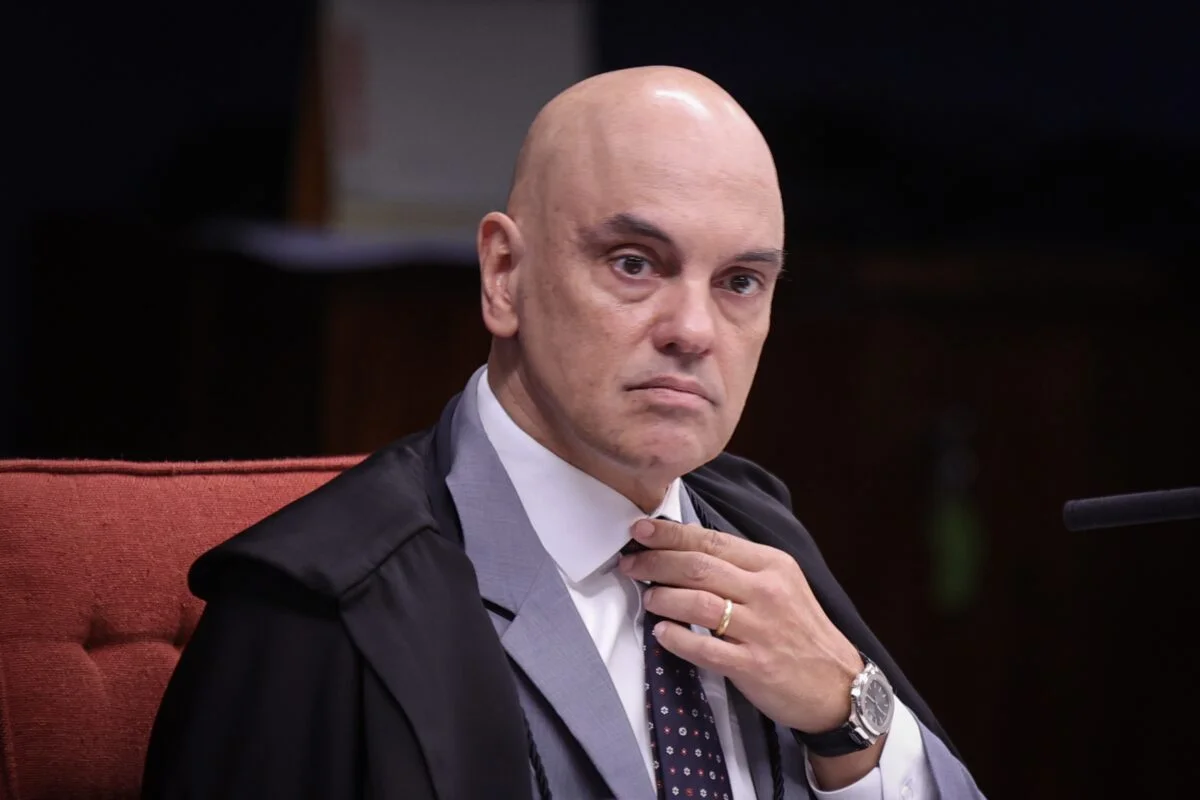
According to O Estado de S. Paulo, Supreme Court Justice Alexandre de Moraes made six phone calls in a single day to Central Bank President Gabriel Galípolo. The purpose was to monitor the progress of the purchase of Banco Master by BRB. Therefore, this was not an isolated contact but a continuous pressure effort.
The Context of the Operation
At the same time, these calls occurred during the review of a deal intended to save the institution owned by Daniel Vorcaro. However, Banco Master had already been liquidated by the Central Bank on November 18 under suspicion of frauds estimated at more than R$ 12 billion. Thus, Moraes’s insistence raises questions about his motivation and the independence of the Central Bank’s technical decisions.
Conflict of Interest
Moreover, the episode cannot be separated from the multimillion-real contract between Moraes’s wife, Viviane Barci, and Banco Master. Consequently, the calls reinforce the perception of conflict of interest and cast doubt on the impartiality of the minister. In other words, the Judiciary appears to be acting in favor of a private institution under investigation.
Institutional Repercussions
Soon after the revelations, analysts and lawmakers highlighted the seriousness of the situation. Estadão classified the case as a risk to the credibility of justice and demanded quick clarification. On the other hand, members of Congress are already discussing a CPI to investigate the relationship between the Supreme Court, the Central Bank, and Banco Master. Thus, the episode gained political and institutional dimensions.
Risk to Democracy
Indeed, when a Supreme Court justice directly pressures the Central Bank president in favor of a bank investigated for billion-real fraud, the separation of powers weakens. Consequently, trust in judicial impartiality collapses and democratic balance is threatened. Therefore, the case requires rigorous investigation and absolute transparency.
Critical Conclusion
In summary, Alexandre de Moraes’s six calls to Gabriel Galípolo are not just an administrative detail. Instead, they reveal a pattern of political pressure, conflict of interest, and institutional risk. Therefore, Brazilian democracy must react to prevent the Judiciary from becoming a tool of personal power and private interests. In conclusion, this case is a warning sign for the future of democratic governance.
CTA: Want to understand how political pressure and conflicts of interest threaten democracy? Explore other articles by Pedro Freitas and keep your critical eye on the Supreme Court and Brazil’s financial system.
Sources:
- O Estado de S. Paulo – report by Uiliam Sg
- Agência Brasil – photo by Marcelo Camargo
Alexandre de Moraes: From Old Lobbying to the Banco Master Case
Pingback: Moraes’s Official Version on Meetings with Galípolo Reveals Inconsistencies -