
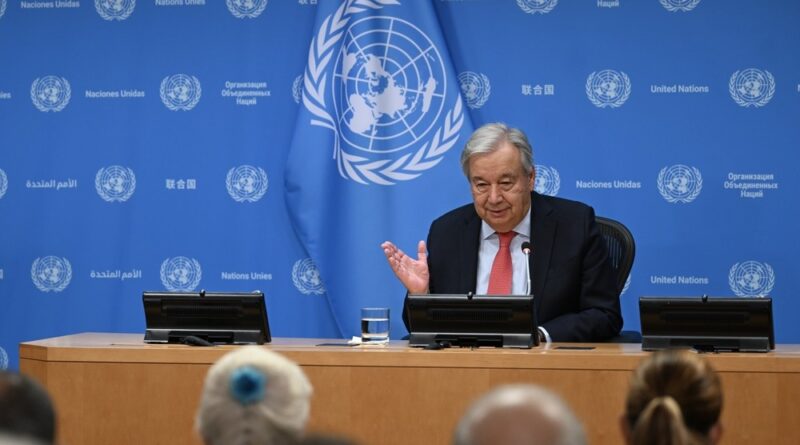
UN Chief Guterres calls result “disappointing”
Two weeks after the conclusion of COP 30, held in Belém, Brazil, UN Secretary-General António Guterres described the outcome as “disappointing”. Nevertheless, he emphasized that the event demonstrated that multilateralism still works, even in the face of resistance from major powers and the fossil fuel industry.
Criticism and Mixed Feelings
Speaking at the Reuters Next event in New York, Guterres admitted to having “mixed feelings” about COP 30. On the one hand, he considered it remarkable that, despite the absence of the United States and the active lobbying of fossil fuel interests, countries were able to reach agreements. On the other hand, he stressed that progress was slow and insufficient given the urgency of the climate crisis. Therefore, the conference left both hope and frustration in its wake.
Absence of the United States
For the first time, the United States did not send official representatives to the climate summit. The stance adopted by the U.S. president was to avoid involvement in climate negotiations, often denying the challenges faced, particularly by countries in the Global South. As a result, this absence was interpreted as a weakening of international cooperation at a critical moment.
Results of COP 30
According to COP 30’s executive director, Ana Toni, the conference approved 29 texts and achieved consensus among 195 countries. Although no agreement was reached on the phase-out of fossil fuels, commitments were made regarding climate financing and mechanisms of international solidarity. In this sense, Toni highlighted that the legacy of COP 30 lies in its ability to sustain multilateral dialogue in a fragmented geopolitical landscape.
What Is at Stake
- International credibility: Brazil sought to consolidate climate leadership but left with a weakened image.
- Financing: Agreements on resources for vulnerable countries were deemed insufficient by experts.
- Energy future: The lack of consensus on fossil fuels keeps the energy transition on hold.
- Multilateralism: Despite criticism, the event showed that global consensus is still possible.
Critical Conclusion
COP 30 left an ambiguous legacy: diplomatic progress in financing and solidarity, but frustration over climate ambition. For Guterres, the outcome was disappointing, yet also proof that multilateralism endures. The challenge now is to turn the approved texts into concrete actions; otherwise, the conference risks being remembered as just another missed opportunity.
CTA: Want to follow the impacts of COP 30 and the next steps in climate diplomacy? Discover other articles by Pedro Freitas and keep your critical lens on the environmental future.
Sources:
https://maketruthtriumphagain.com.br/en/bolsonaros-arrest-a-maneuver-to-quell-simultaneous-crises/