
Left Accuses PL of Organ Trafficking: Nikolas Calls It ‘Madness’ and Denounces Censorship Silencing Opposition in Brazil
Picture this, for a moment: a heated debate in Brazil’s Chamber of Deputies, where a shocking organ trafficking accusation flies without repercussions. It’s not political fiction—it’s the harsh reality that, unfortunately, exposes flaws in Brazil’s democratic discourse. Congresswoman Enfermeira Rejane from PC do B-RJ leveled the organ trafficking accusation against PL lawmakers, claiming they push for births in rape cases to fuel an alleged “organ mafia.” However, Congressman Nikolas Ferreira from PL-MG fired back, labeling the organ trafficking accusation “astonishing madness,” and highlighting hypocrisy that, moreover, ignores growing censorship against the opposition.
Meanwhile, Brazil watches a divided Congress approve controversial bills like PDL 3/25, which halts a Conanda resolution easing legal abortions for underage sexual violence victims. This vote, in fact, not only reveals ideological rifts but also the lack of freedom for opposing voices facing threats of arrest, million-dollar fines, and social media suspensions. Therefore, why does such a grave organ trafficking accusation go unchecked, while government critics are muzzled?
Organ Trafficking Accusation Explodes in Congress Debate
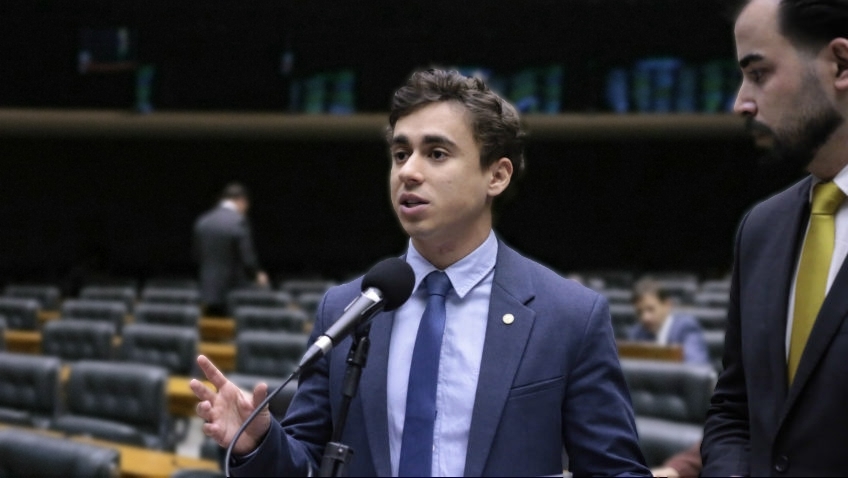
During the November 5, 2025 session, Rejane claimed PL deputies want rape victims to give birth to “increase the organ mafia they belong to.” She specifically alleged this allows stealing organs from newborns for trafficking. On the contrary, Nikolas Ferreira responded promptly, calling the organ trafficking accusation “astonishing” and demanding rationality. He stressed that, if reversed, such claims would be treated as serious crimes against an entire party.
Smooth slide into the core issue: this organ trafficking accusation happened amid approval of PDL 3/25, nullifying Conanda’s resolution No. 258/2024. That rule waived parental notification in family risk cases, ensuring quick access to legal abortion. Now, with the suspension, critics argue it complicates child protection. However, the harsh critique here: while the left hurls unproven organ trafficking accusation, the opposition battles a censorship machine threatening its survival.
Nikolas Rebuts Organ Trafficking Accusation as Hypocrisy
Listen closely to his words: “Saying the PL wants to overturn this project to sell children’s organs because we’re involved in an organ sales mafia… You need minimal rationality.” He added, furthermore, that the organ trafficking accusation paints an entire party as criminals. Sharing the video on X, he wrote: “The left always surprises us. What madness. I swear. Not even the left in the plenary backed it.”
This reaction isn’t isolated. In fact, it mirrors a pattern where opponents like Nikolas face backlash over the organ trafficking accusation. For instance, recent judicial decisions imposed daily fines of R$50,000 for bypassing social media blocks like X, suspended in Brazil. And the fallout? This includes arrest threats and indefinite suspensions for conservative profiles, stifling essential debates on issues like abortion and safety.
Censorship Silences Opposition After Organ Trafficking Accusation
From a critical viewpoint, Brazil is in a dark phase for free speech following the organ trafficking accusation. In fact, while claims like Rejane’s circulate freely, Bolsonaro-aligned and conservative figures are constant targets. Accused of “coup-mongering” or spreading fake news, they face accumulated million-dollar fines, arrest warrants, and digital platform blocks.
- Exorbitant fines: STF rulings, like those from Alexandre de Moraes, slap R$50,000 daily for VPN use on blocked networks, quickly turning into millions.
- Arrest threats: Opponents are probed for “inciting crime,” with preventive detentions silencing government critiques.
- Social media suspensions: Platforms like X and Rumble had accounts blocked in Brazil, hitting right-wing voices hardest, while the left operates with fewer restrictions.
Zoom out: this asymmetry not only warps public debate but also questions democracy after the organ trafficking accusation. Blunt critique: while PC do B accuses without evidence, the opposition is gagged, turning Congress into a stage for one-sided narratives.
Freedom Vacuum Grows from Organ Trafficking Accusation Fallout
It’s not just rhetoric. In fact, cases like the 2024 X block, extended into 2025, show how court orders aim to “protect” against misinformation but end up censoring dissenters post-organ trafficking accusation. Reports note U.S. actions against Brazilian rulings, spotlighting the country’s international isolation on free speech.
Here’s a heartfelt yet tough nudge: conservative communities, already marginalized, become easy targets for repression, while sensitive topics like child protection get manipulated. Therefore, time to grill policies that favor control over open dialogue.
Why Organ Trafficking Accusation Threatens Brazilian Democracy
The path to disaster is straightforward: with opposition silenced after the organ trafficking accusation, unfounded claims spread without real pushback. Authorities already debate new laws to regulate networks, enforcing content removals under fine threats. In Brazil, oversight exists, but safeguards lag: picture, for example, a law balancing protection and freedom, not just suppression.
- Immediate risks: Heightened polarization, turning debates like legal abortion into minefields.
- Social impact: Forced silence distorts public views on health and rights.
- Your turn to weigh in: Do you think this censorship benefits society or just empowers the establishment? Drop your thoughts in comments—your voice can, indeed, amp up the pressure.
This story doesn’t end in the plenary; it echoes in censored streets and networks after the organ trafficking accusation. Stay tuned for updates—and, above all, champion free speech. What’s your take on this accusatory “madness”? Share below and help spread the word on why we need better now.
COP 30: The Price Absurdity That Turned Climate Event Into Elite Club